Why Beauty & Wellness Brands Still Thrive Despite Economic Uncertainty
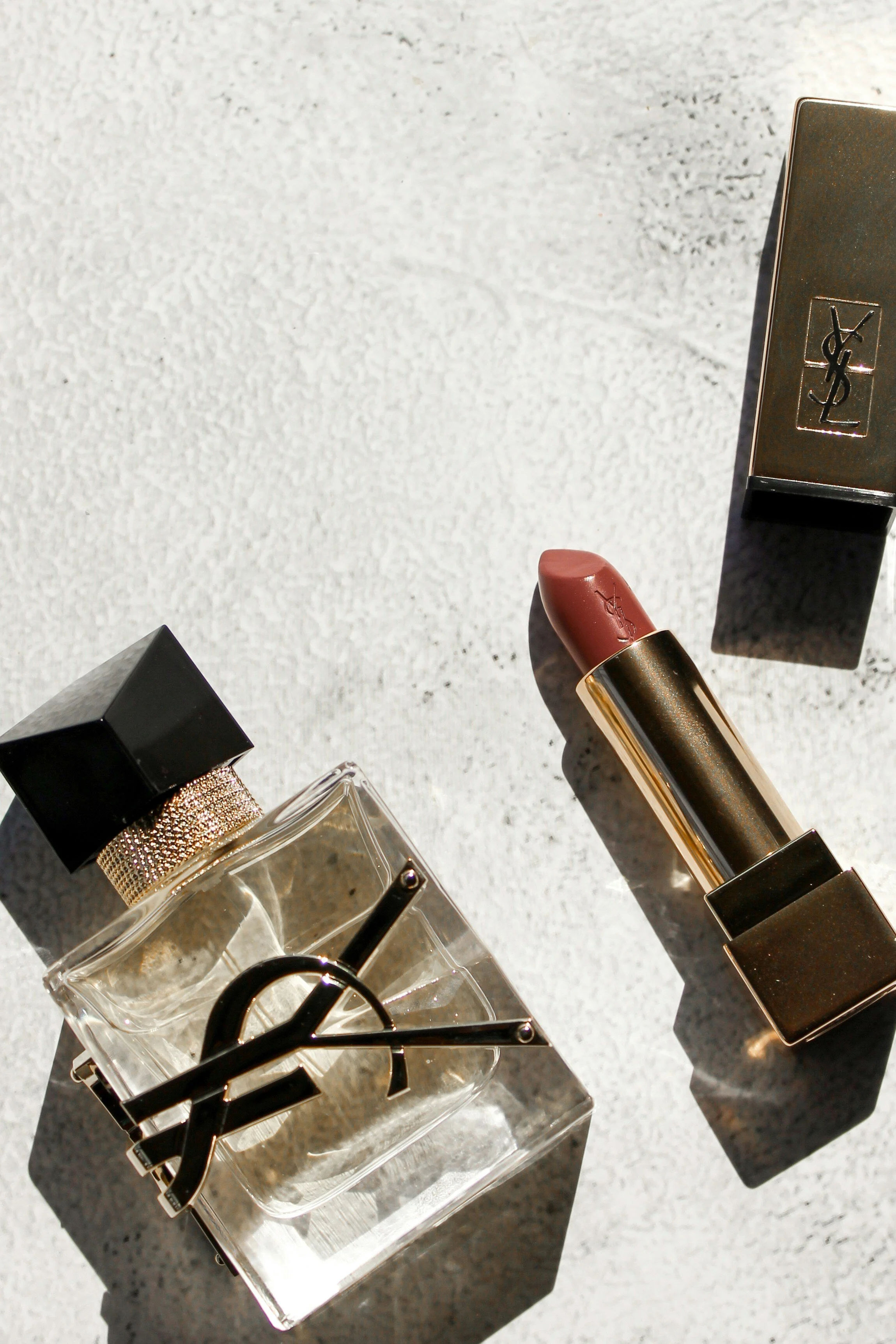
For decades, the beauty industry has been described as recession proof, often referencing the concept known as the Lipstick Index. The idea suggests that during periods of economic uncertainty, consumers continue to purchase small beauty luxuries as a way to maintain morale and self-esteem when larger discretionary spending declines.
While this theory still holds cultural relevance, the reality of today’s beauty and wellness market is far more nuanced. Beauty is not immune to economic pressure, but it is emotionally resilient. Understanding this distinction is essential for founders and brands operating in today’s beauty and wellness landscape.
The Lipstick Index was popularised by Leonard Lauder, former chairman of Estée Lauder Companies, after observing that lipstick sales rose during economic downturns. The theory was that consumers, unable or unwilling to spend on big ticket luxuries, would instead turn to affordable indulgences that provided an emotional boost.
In today’s market, however, this behaviour has evolved. There’s an argument that the Lipstick Index is no longer a reliable predictor of beauty sales growth on its own. Consumer behaviour has shifted since the phrase was coined, product categories have expanded, wellness has become a formidable category in its own right alongside beauty and spending habits have become more intentional.
Rather than disappearing, the underlying psychology has transformed. Consumers still seek comfort and a sense of control during uncertain times, but these needs are now met through a wider range of beauty/wellness products and services. For instance, since the introduction of the Lipstick Index as a theory, the skincare category has boomed with new brands and products (hello, Korean skincare anyone?), not to mention the wellness industry having taken off - you now have the beauty and wellness industry being closely interlinked, for example ingestible skincare and premium beauty treatments i.e. mesotherapy for longer lasting beauty effects. All of these have arguably become today’s expressions of this same emotional demand that Lauder identified in the 2000s.
Beauty, therefore, is not recession proof in the traditional sense. It is emotionally resilient, an industry driven by psychological and behavioural factors rather than purely economic ones.
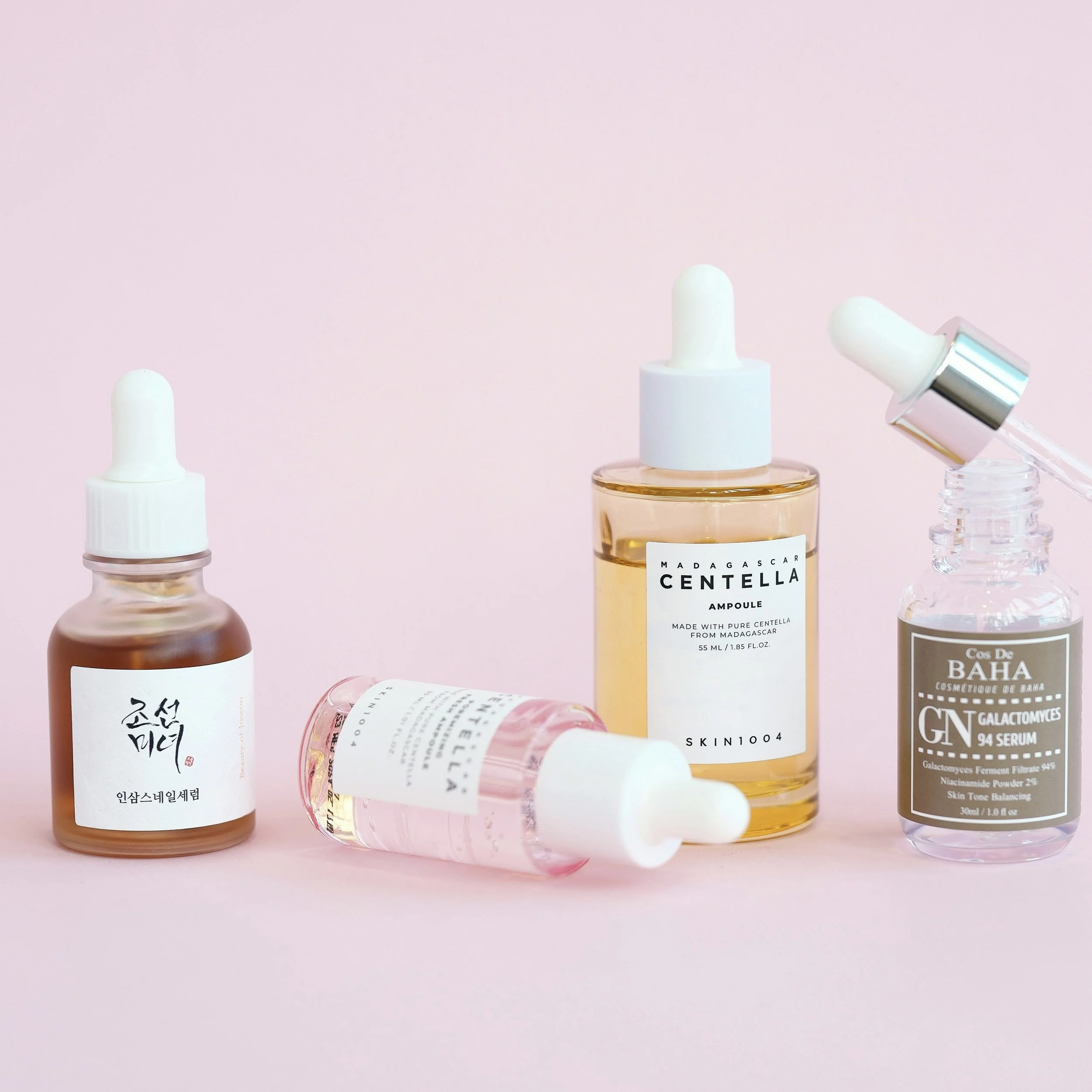
A common approach in business development is the idea that brands succeed by identifying and solving a clear problem. While function and efficacy matter, this framework alone is insufficient in beauty and wellness.
People do not only buy beauty products to address acne, contour the face, shape the brows or whatever else. They also buy them for reasons including feeling confident, personal expression or aligning with a particular version of themselves. With premium and luxury brands in particular, emotional experience often outweighs function. After all, why would someone purchase a Molton Brown body wash over a Soap & Glory one when they both do the same thing, which is to clean the body?
You may argue that it’s due to product formulations, but in many cases a lot of products with similar formulations can perform very differently in the market and it’s not always because the better performing product is of a better quality. It may be down to how the product feels to use, how it makes you feel about yourself, what it says about you that you use this product especially if others see you using it.
One of the most overlooked aspects of beauty and wellness branding is the importance of psychographics. While demographics focus on factors such as age, gender or income, psychographics explore how people actually live.
Psychographic insight includes the consumer’s daily habits and routines, their values, lifestyle preferences and emotional drivers.
The brands that truly stand the test of the economy are those that understand the consumer when no one is watching. How do they start their day? Which supermarket do they shop at? Which fashion brands do they prefer? What do they aspire to feel when making buying decisions?
This depth of understanding allows brands to create products and services that feel personal rather than generic. It also enables more precise messaging, stronger loyalty and guarantees long term relevance in one of the most saturated markets.
Psychographics are particularly powerful in beauty and wellness because these industries sit at the intersection of identity, daily rituals and emotional wellbeing. For many, the choice to bring a brand into one’s daily life rituals, for instance their evening wind down, is not a small one.
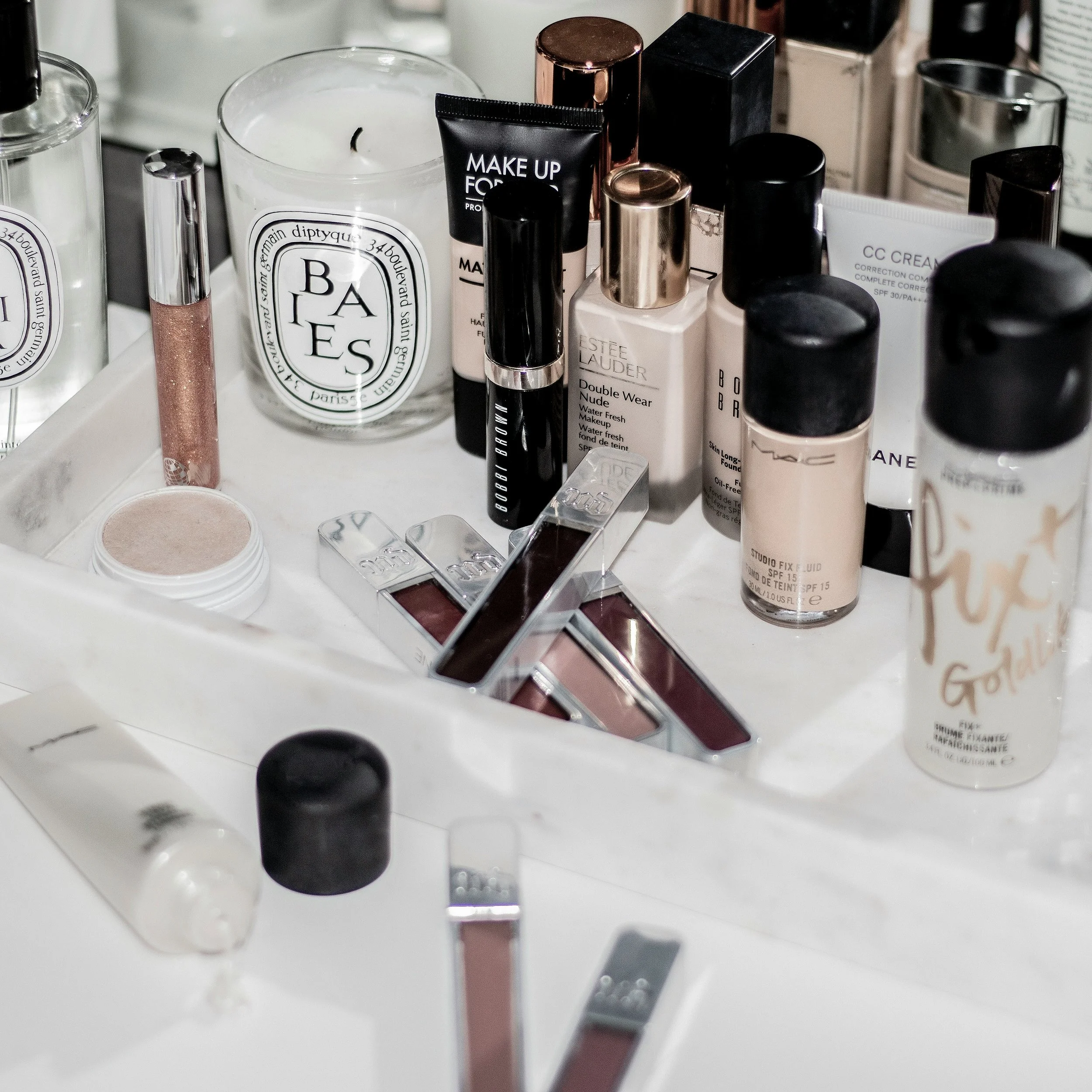
In my opinion, one of the key reasons that the beauty industry, and more recently wellness, has endured many economic downturns is the connection to human behaviour. Both industries address more than physical appearance; they also respond to emotional needs and the desire to identify with something. It reminds me of the time a friend told me that at the height of civil war in Lebanon, women would still find the time to get their regular blow dries so they felt a semblance of control over their lives. If their beauty routines fell, it meant that things really were dire.
In times of uncertainty be it war or economic trouble, consumers may spend less overall, but they continue to invest in experiences and products that make them feel grounded and confident. Brands that recognise and respect this psychological dimension will undoubtedly build trust and longevity.
While the beauty industry experiences trends that come and go like no other, the industry itself is not going anywhere. This is not just because it’s simply recession proof with women wanting to purchase little luxuries when they can’t afford a designer bag, but because the best brands speak to how people want to feel overall, recession or not.
Brands who understand this and therefore ensure that every touchpoint takes the psychological factors into account, from how they convey their messaging to their product offering, are the ones that will truly thrive even in uncertain economic times.